
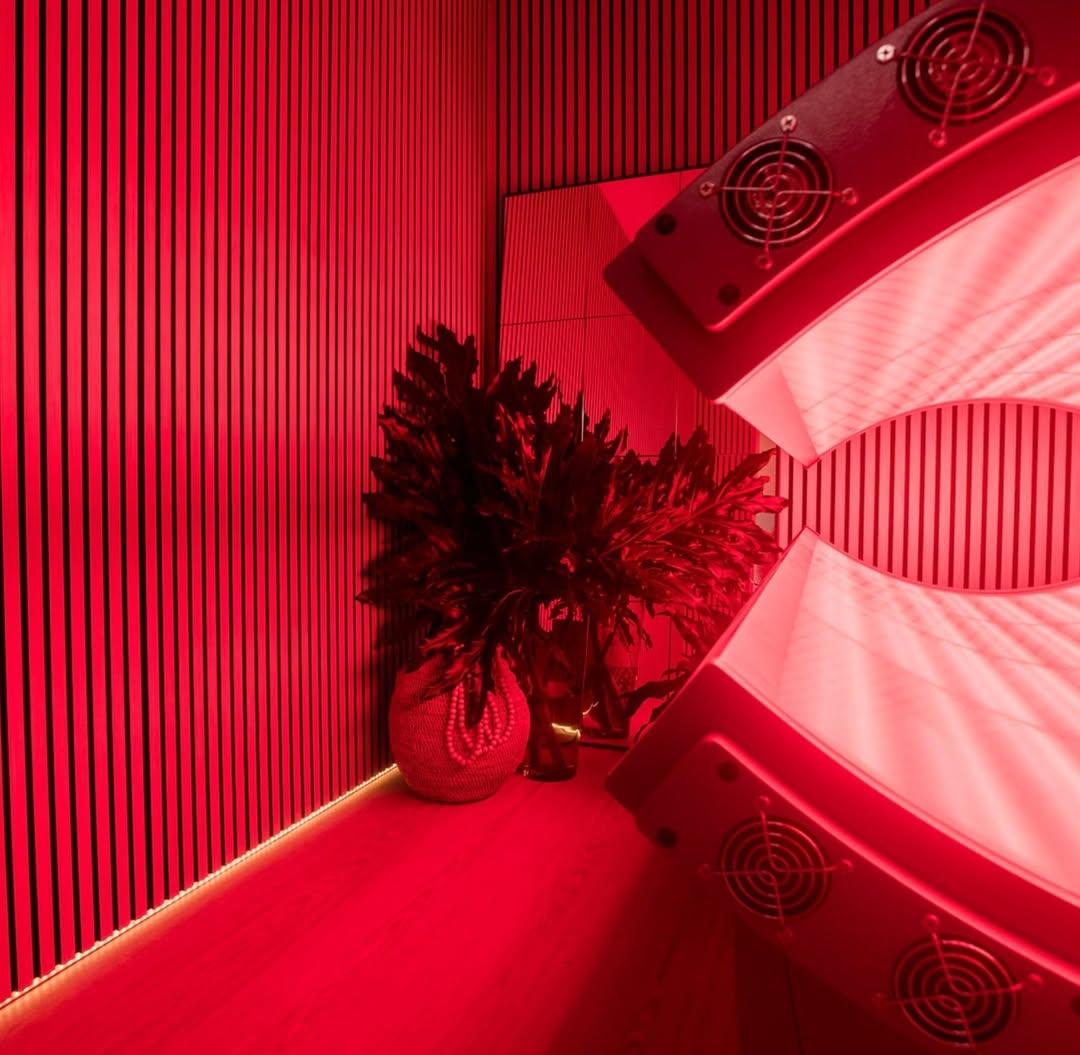
Light therapy devices have gained significant popularity in recent years, offering a non-invasive and drug-free approach to addressing various health concerns. These innovative tools utilize specific wavelengths of light to target a range of issues, from seasonal affective disorder (SAD) to skin conditions like acne and wrinkles. As more individuals seek holistic solutions for their well-being, understanding how light therapy works and its potential benefits can empower users to make informed choices about incorporating it into their daily routines.
In this article, we will explore the science behind light therapy, examining the different types of devices available on the market and their respective applications. Additionally, we will delve into the latest research supporting the efficacy of these treatments, as well as tips for selecting the right device for your needs. Whether you are looking to boost your mood or improve your skin health, light therapy may offer a promising pathway to enhanced overall wellness.
Understanding Light Therapy
Light therapy leverages the power of specific wavelengths of light to stimulate biological processes in the skin and brain. For instance, bright light can help alleviate symptoms of seasonal affective disorder by mimicking the positive effects of natural sunlight, setting off a cascade of hormonal changes. Meanwhile, devices designed for skin treatments utilize red and blue light wavelengths to target acne, reduce inflammation, and promote collagen production. By harnessing these wavelengths, users can potentially experience benefits that enhance mood and improve skin health.
Selecting the Right Device
When considering the integration of light therapy into your wellness routine, it’s essential to research and identify the right Light Therapy Devices for your specific needs. Factors to consider include the type of light spectrum used, treatment duration, and ergonomics of the device. Additionally, understanding the contexts in which these devices have been clinically tested enhances one’s confidence in selecting an appropriate option. As interest in light therapy continues to expand, staying informed will support individuals in making choices that align with their wellness goals.
In conclusion, light therapy devices present an accessible and versatile solution for individuals seeking to improve their mental and physical health through natural means. By understanding the underlying science and mechanics of these devices, as well as considering factors such as device type and user experience, individuals can choose the right light therapy solutions tailored to their unique requirements. With ongoing research highlighting their effectiveness, light therapy stands as a promising adjunct to traditional treatment methods, empowering users to take charge of their well-being and embrace a brighter, healthier future. As we continue to explore the potential of these technologies, the possibility for innovative applications and enhanced therapeutic outcomes remains vast, signaling a hopeful path forward in holistic health practices.